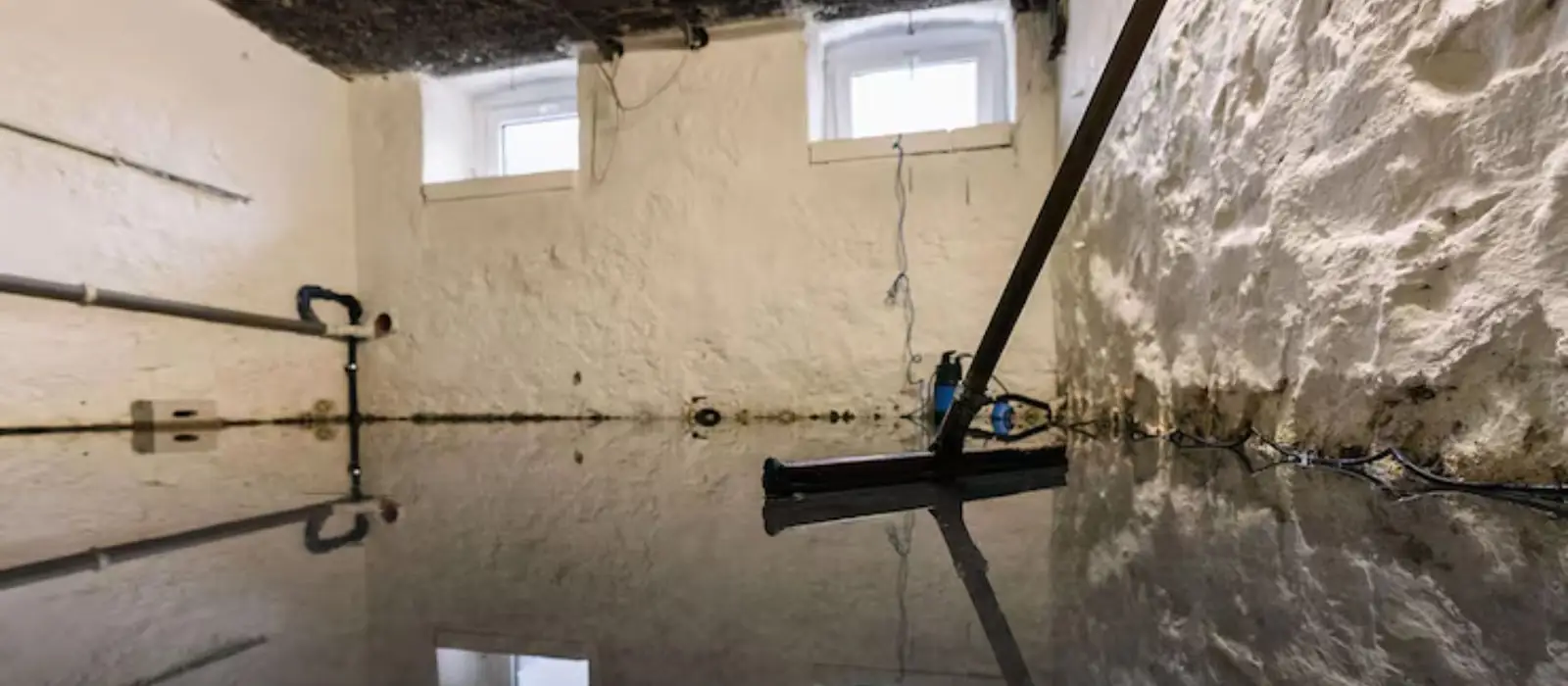
A basement flood is a bad day, and the pressure to hire someone fast can lead to a bad choice. Professional basement flood cleanup services in Northborough, MA should do the same core things whatever the company: stabilize the site, remove water, remove what cannot be saved, clean and dry. How they explain it is the test.
This guide lists what the job includes and what to ask before work starts.
What a basement flood job includes
- 1
Safety check
The crew checks for electrical and gas hazards and confirms the water source and category.
- 2
Water removal
Submersible pumps and extraction units remove standing water.
- 3
Removal of damaged materials
Carpet, pad, wet drywall and soaked insulation are cut out to a safe height, and contaminated items are bagged.
- 4
Cleaning and sanitizing
Framing, slab and walls are cleaned and treated, especially if the water was Category 3.
- 5
Structural drying
Air movers and dehumidifiers dry the slab, block and framing, with readings on each visit.
- 6
Documentation
Photos, moisture logs and a list of removed items for the insurer.
What to ask before you hire
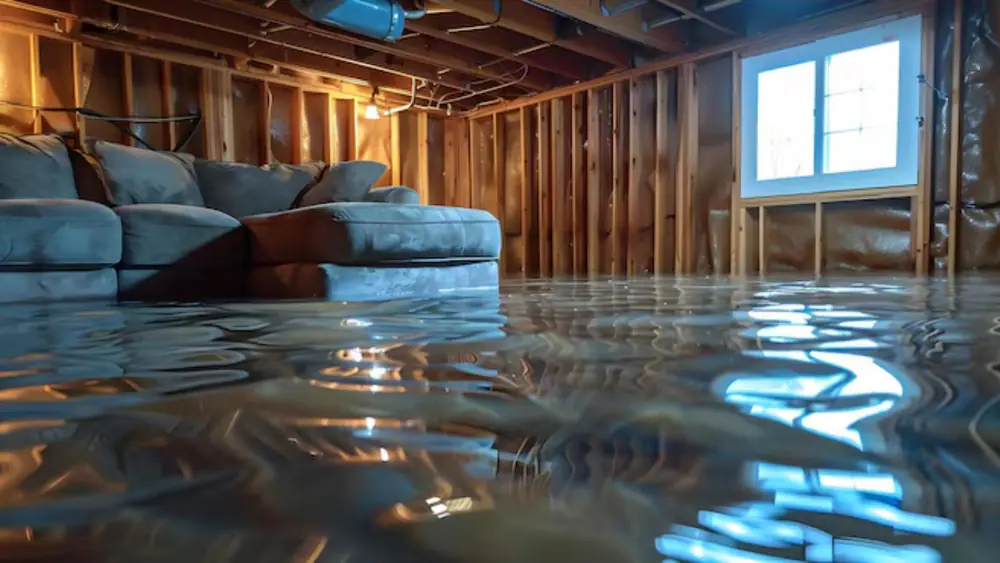
Ask for a written scope that lists the work, the equipment and how pricing is set. Ask whether the crew works to ANSI/IICRC S500, the published standard for water damage restoration. Ask who will be on site, how often moisture will be read and what the crew will do if the scope changes.
Be cautious of anyone who asks for the full amount before work starts, will not put a scope in writing or says every material must go. A good company explains what is kept and why.
| Item | Why it matters |
|---|---|
| Water category and source | Sets safety steps and what must be removed |
| Areas and materials included | Prevents scope disputes |
| Equipment and number of days | Drying time is set by readings, so it can change |
| Disposal and contents handling | Often missed in quotes |
| Documentation for insurance | Photos and moisture logs support the claim |
Cost factors
Cost follows the depth and volume of water, how long it sat, whether it was clean or contaminated, the area, the materials removed and the days of drying. The scope is explained before work begins.
Remember that cleanup does not stop flooding. If water keeps entering, drainage and waterproofing are separate trades, and any company should say so.
Where to learn more
Our flood damage restoration page explains the categories in more detail, and emergency water removal covers pumping. For calls from the east, Marlborough is served from the same line, as is Westborough.
What to do while you wait for the crew
Do not enter the basement if you can see water near outlets or the panel. If it is safe, close the main water valve, move items from low shelves and photograph the damage. Keep children and pets out of the water.
Do not run a household vacuum or a sump pump extension cord through standing water. Do not try to dry the slab with heaters in a closed basement, since the warm air fills with moisture and can feed mold.
Contents and what can be saved
| Item | Clean water | Contaminated water |
|---|---|---|
| Cardboard boxes and paper | Dry quickly, may be saved | Discarded |
| Upholstered furniture | May be cleaned | Usually discarded |
| Solid wood furniture | Often dried and saved | Cleaned and assessed |
| Plastic and metal storage | Wiped and dried | Cleaned and sanitized |
| Electronics | Do not power on, have inspected | Usually a loss |
| Photos and documents | Freeze or air dry quickly | Specialty cleaning if valuable |
Photograph every item before moving it, and keep a list with approximate values. Those lists matter for the insurance conversation, even if the policy turns out not to cover flood.
How long a basement flood job lasts
A typical job runs in phases. Water removal and demolition happen in the first day or two. Drying runs for several days afterward, and the crew returns to read the meters and adjust the equipment. Then comes the rebuild, which is planned work that you schedule when the structure is dry.
A written scope should say what ends the drying phase. The answer is dry readings, and not a calendar date.
Northborough note: flood maps and coverage
Massachusetts home policies now carry a written notice that flood is not covered, and the state points owners toward the National Flood Insurance Program. Before the next storm, look up your address on the FEMA flood map and ask your insurer what a flood policy or endorsement would add.
The Northborough building department is the place to ask about permits before rebuilding a flooded basement.
Questions Northborough Homeowners Ask
Where do I check flood risk for a Northborough address?
The FEMA Flood Map Service Center shows flood zones by address. Ask the Northborough building department about permits and any local requirements.
How long does a basement flood cleanup take?
Water removal takes hours. Removal of damaged materials takes a day or two. Drying commonly takes several days, and the readings decide when it ends.
Should I clean up the basement myself first?
Not if the water is contaminated or near electricity. For clean water, you can remove small items, but leave structural drying to equipment and readings.
Will my homeowners policy cover a flooded basement?
Usually not for flood. Read the sewer backup and sump failure wording in your policy, and ask what flood coverage would cost.
Basement flooded? Call now and describe what the water touched.
☎ Call (508) 446-9244