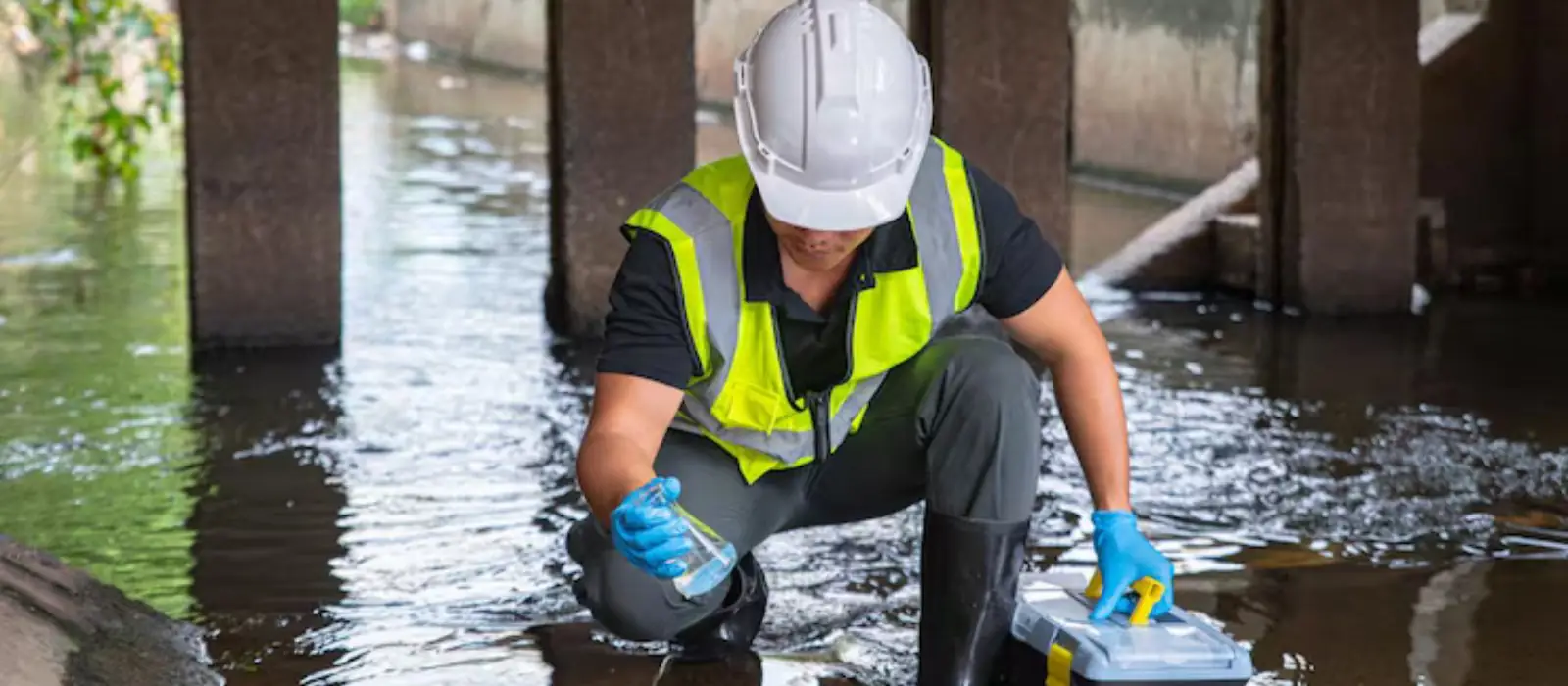
Standing water is the one kind of damage you can fix by speed alone. Emergency water removal in Northborough, MA uses submersible pumps, truck-mounted or portable extraction units and wet vacuums to take water out of the building, and our line is open 24/7 for exactly that. The sooner the water is out, the less of the floor, wall base and contents it can soak.
Before the crew arrives, stop the source if you can. Close the main water valve, keep everyone out of water that touches outlets, and do not run a household vacuum on wet floors. Pull valuables, photos and paper up onto dry furniture.
When standing water is an emergency
Call at any hour when water is deeper than an inch across a finished floor, when a pipe is still running, when a sump pump has quit during a storm or when a toilet or drain is pushing water back up. Water in a finished basement is the most common night call, because carpet and drywall wick moisture upward faster than most people expect.
Waiting until business hours is rarely worth it. Soaked carpet pad, wet drywall and standing water against framing begin to cause secondary damage within a day or two, and the extraction itself is the cheapest part of the job.
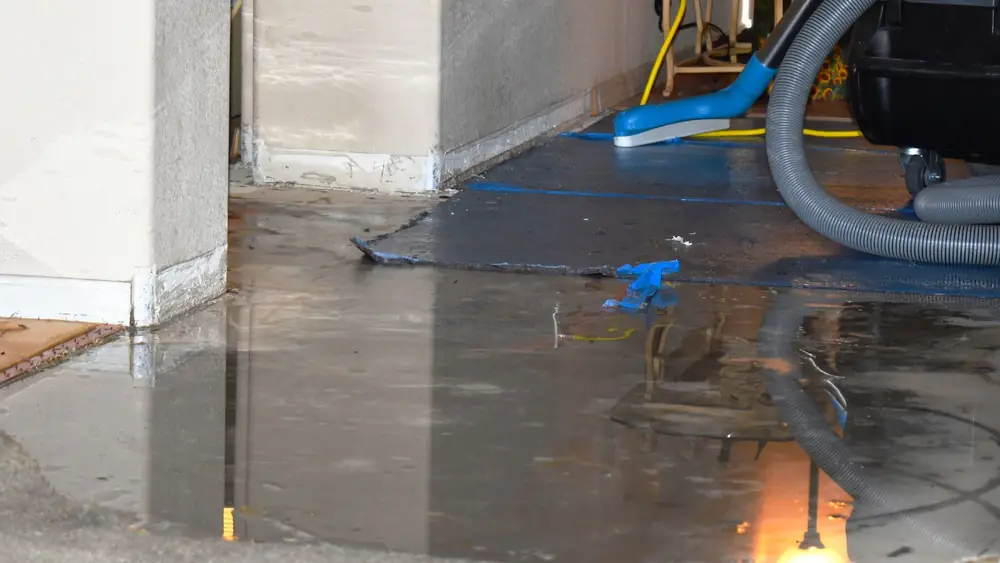
Burst pipe water damage
A burst pipe is the classic after-hours call in a New England winter. Massachusetts insurance guidance says a burst pipe is typically covered only when the house was kept properly heated and was not left empty, so keep the heat on in cold snaps and tell your insurer if you will be away.
When a pipe lets go, close the main valve first and open a low faucet to drain the line. Then take photographs of the pipe, the water and every wet surface before anything is moved. Crews will extract the water, check the wall cavity for trapped moisture and set drying equipment, as covered on our water mitigation page.
If the burst happened in a ceiling, expect to open it. Water sits above the drywall in insulation, and a ceiling that looks intact can fail under the weight.
How extraction works, step by step
- 1
Confirm the source and the hazard
The crew checks that the water is stopped and that nothing electrical is in the water before equipment is plugged in.
- 2
Pump the bulk water
Submersible pumps clear deep water. Extraction units then pull water from carpet, pad and hard floors.
- 3
Check the hidden spots
Water runs under baseboards, into wall bases and beneath cabinet kicks, so moisture meters and a thermal camera follow it.
- 4
Hand off to drying
Once the standing water is gone, air movers and dehumidifiers take over. Leftover moisture is why extraction alone is not enough.
Extraction compared with drying
| Water extraction | Structural drying | |
|---|---|---|
| What it removes | Liquid water you can see or squeeze out | Moisture held inside materials |
| Equipment | Pumps, extraction wands, wet vacuums | Air movers, LGR dehumidifiers, moisture meters |
| Typical timing | Hours | Several days, set by readings |
| If skipped | Water keeps soaking upward | Hidden dampness, odor and mold |
If water is near electrical or gas
Stay out of a flooded basement if the panel, a furnace or a water heater might be in the water. Call the utility or 911 for any electrical or gas risk before calling a restoration company. Never promise yourself a quick look is safe.
What affects the cost of water removal
The price comes from the depth and volume of water, how long it has been there, whether it is clean or contaminated, the number of rooms affected and the access to get pumps in. Removal is billed differently from drying, and both are explained before the work begins.
Insurance treats sudden events such as a burst pipe or a failed appliance differently from slow leaks. Ask your insurer what your policy says about both before you assume either way.
Describe the water and get a plain answer: (508) 446-9244.
☎ Call (508) 446-9244Common night calls around Northborough
Finished basements, kitchens with a failed dishwasher line, and laundry rooms with a split washer hose make up most extraction calls. Shops along Route 20 and Route 9 generate the same calls, and a unit that shares a wall may need extraction on both sides of it.
If the water has been sitting long enough to smell, the job shifts toward water damage cleanup and sanitizing. If the water came in from outdoors, flood damage restoration covers the extra steps. When a call comes from the east side, crews also reach Marlborough.
Water Removal Questions
Do you handle water removal emergencies at night or on weekends in Northborough?
Yes. The line is staffed every hour of every day, and burst pipes and flooded basements at 3 a.m. are normal calls. Crews respond the same day when available, and dispatch will tell you plainly if there is a wait.
What should I do while I wait for the crew to arrive?
Shut off the main water valve, stay out of water near electrical equipment, lift valuables onto dry surfaces and photograph everything. Do not use a household vacuum on wet floors and do not open walls yourself.
Is removing the standing water enough to prevent mold?
No. Extraction removes liquid water, but the drywall, pad and framing stay wet. Drying has to follow within a day or two, and the EPA's guide puts the window for drying at 24 to 48 hours before mold becomes a risk.
Can you pump a crawl space or a basement with an active sump pump failure?
Yes. Crews can pump out a crawl space or basement during a pump failure. They will also tell you honestly that fixing a recurring water source is a plumbing or drainage job, not restoration.
Water on the floor right now? Call and a dispatcher will walk you through the first steps.
☎ Call (508) 446-9244