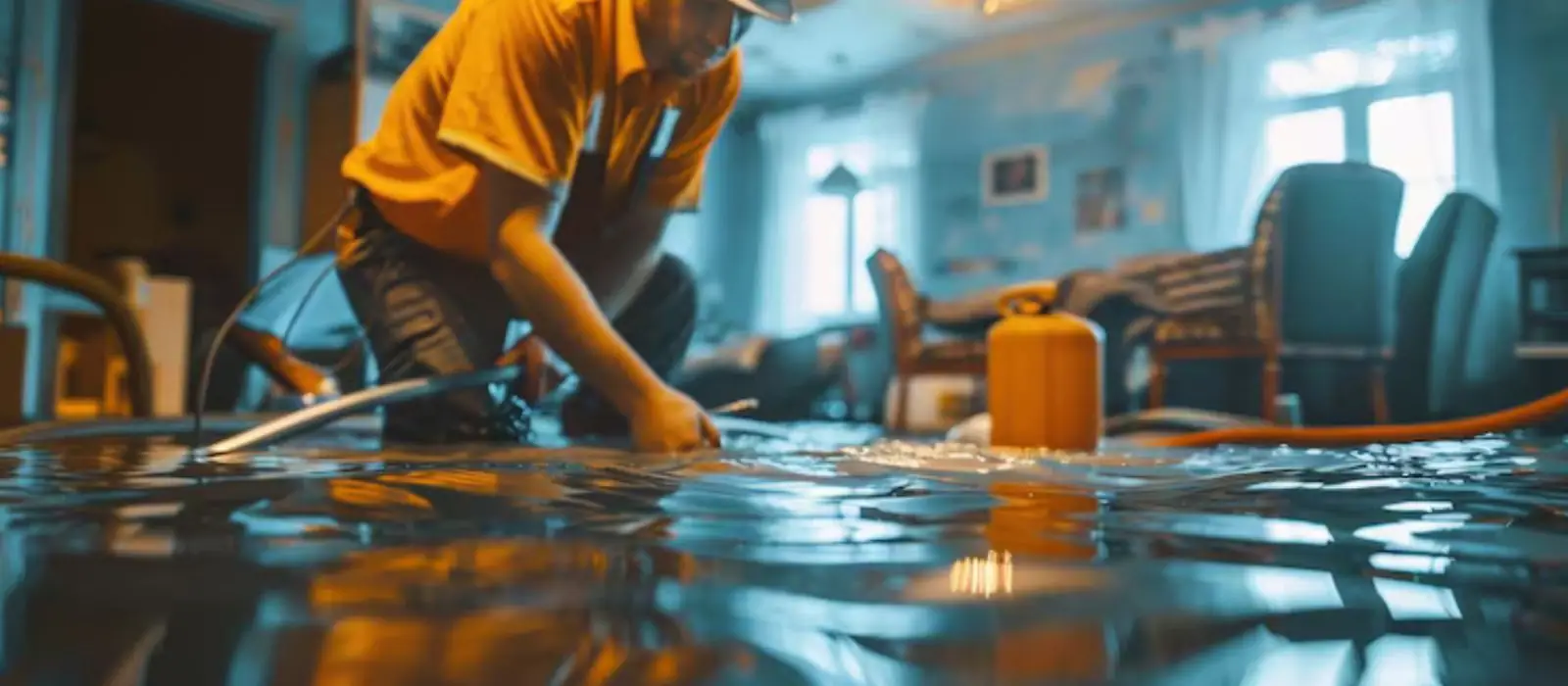
Water damage cleanup in Northborough, MA starts after the water is stopped and the standing water is removed. It means pulling out wet debris, cleaning and sanitizing surfaces, and dealing with the odor that comes from damp materials. Dispatch is open 24/7, and a crew can start the same day when available.
In the first 48 hours, do not run the heat or a fan across a wet area unless instructed, and do not walk on soaked carpet more than you have to. Photograph damaged items before you move them and set valuables on dry foil or plastic.
Cleanup in the first 48 hours is an emergency
Moisture, warmth and organic material give bacteria and mold what they need. Per the EPA, water-damaged areas and items should be dry inside 24 to 48 hours, and cleanup is the part that makes that possible. Once the debris and wet porous materials are gone, the structure can dry, and the smell has no source.
If the water was from a drain, toilet or flood, treat the whole job as contaminated and call right away. Do not scrub it yourself without protective gear, because sewage water carries bacteria that you do not want on your skin.
What stays and what goes
| Material | Clean water | Contaminated water |
|---|---|---|
| Carpet | Often dried in place | Usually removed |
| Carpet pad | Often replaced | Replaced |
| Drywall | Dried if it is firm and sound | Cut out |
| Hardwood | Dried slowly, may cup | Case by case, often replaced |
| Upholstery and mattresses | May be cleaned | Usually discarded |
| Hard, nonporous items | Wiped and dried | Cleaned and disinfected |
The rule behind the table is simple. Porous things absorb water and keep what is in it, while hard things can be cleaned. When there is any doubt, the crew explains the choice and the reason so you can document it for your insurer.
Contents, odor and sanitizing
Cleanup covers more than the structure. Wet books, photos, clothing and electronics are sorted into what can be cleaned, what is worth sending out for specialty restoration and what is a loss. Do not turn on any electronics that got wet.
Odor is a measurement of leftover moisture and bacteria. Deodorizing without drying is a cover-up, and the smell will return when the weather warms. Sanitizing treats the surfaces, drying removes the cause, and both are part of the work.
Protect yourself in a wet cleanup
Wear gloves and boots around any water that came from a drain or outdoors, and keep children and pets out of the area. Never mix bleach with ammonia-based cleaners. If anyone has a health reaction after exposure, call a physician.
Cleaning contents and keeping a record
Keep a list of what was damaged, with photographs and approximate values. Insurers ask for it, and so do landlords. Items that cannot be cleaned on site may be boxed and sent out, and a record of what left the house prevents confusion later.
Ask the crew to note which items were discarded and why. A clear record protects you if a claim is questioned.
What affects the cost of cleanup
Cost follows the water category, the amount of material that has to go out, the area to be cleaned and sanitized, the time it takes to dispose of debris and whether contents need to be sorted. A written scope is put in front of you before work starts.
Ask your insurer which parts of the cleanup your policy covers, because sudden events and slow leaks are often treated differently.
Ready to talk through the scope? Call (508) 446-9244.
☎ Call (508) 446-9244Where cleanup fits in the whole job
Cleanup follows emergency water removal and runs alongside water mitigation, and it hands off to water damage repair when the structure is dry. If the area is already musty, our mold remediation page explains the next step.
Houses built before the mid-1900s often have plaster walls and wood trim instead of drywall, and those materials dry and fail differently. Tell dispatch the age of the house on the first call so the crew can plan for it.
Water Damage Cleanup Questions
Do you handle water damage cleanup emergencies at night or on weekends in Northborough?
Yes. Dispatch answers every hour of every day, and cleanup after a sewage backup or a flood is treated as urgent. Crews respond the same day when available.
What is the difference between cleanup and repair?
Cleanup removes wet debris and sanitizes. Repair rebuilds the finishes afterward. Cleanup comes first so that new drywall and flooring are not installed over damp or contaminated materials.
How soon after a leak should cleanup start?
As soon as the source is stopped. The EPA guidance of 24 to 48 hours for drying water-damaged materials is the practical deadline for avoiding mold.
Can wet furniture and belongings be saved?
Hard furniture usually can be cleaned. Upholstered pieces, mattresses and anything soaked by sewage water often cannot. The crew will sort items and explain each decision.
Water stopped but the mess is not? Call dispatch and describe what got wet.
☎ Call (508) 446-9244