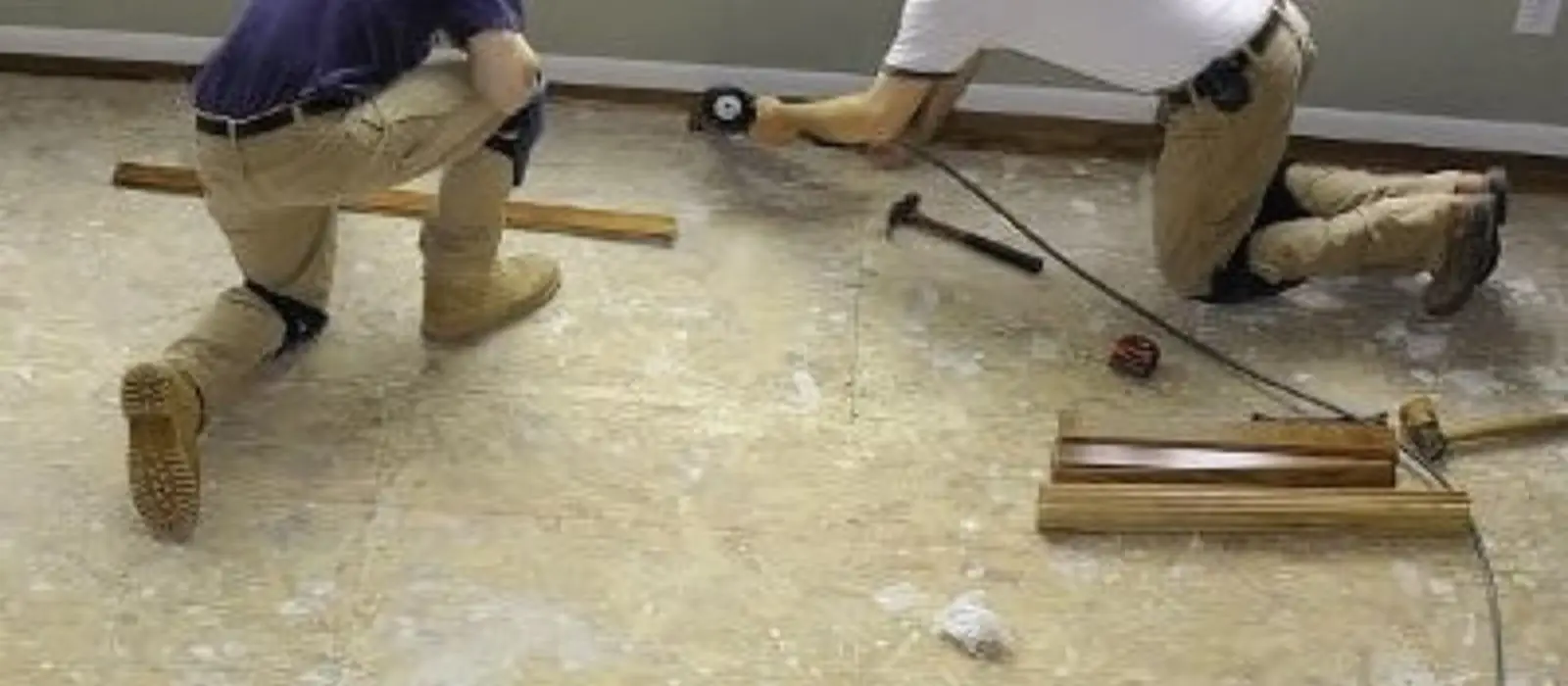
Water damage repair in Northborough, MA is the rebuild that follows drying. Drywall, insulation, trim, flooring, cabinets and paint that could not be saved are replaced, and the room returns to normal. Dispatch is open 24/7 for leaks that are still active, but repair itself is planned work with a scope you approve first.
Repair should start only after moisture readings show the structure is dry. Closing a wall over a damp stud or laying new flooring over a wet subfloor is the most common reason repairs fail, and it can hide mold.
Ceiling and wall water damage repair
A ceiling stain from a roof leak, a bathroom above or a failed pipe is one of the most common reasons homeowners call. Painting over it hides the problem for a few weeks, and then the ring comes back. A proper repair finds the source, dries the cavity, removes the wet drywall and insulation, patches, primes with a stain-blocking primer and repaints.
Walls follow the same order. Sheetrock that is swollen, soft or crumbling at the edges has lost its strength and should be cut out. If the damage is small and firm, drying and finishing may be enough.
A ceiling that sags or holds water needs immediate attention, because it can drop without warning. Stay out from under it and call dispatch.
Hardwood floors that cup or buckle
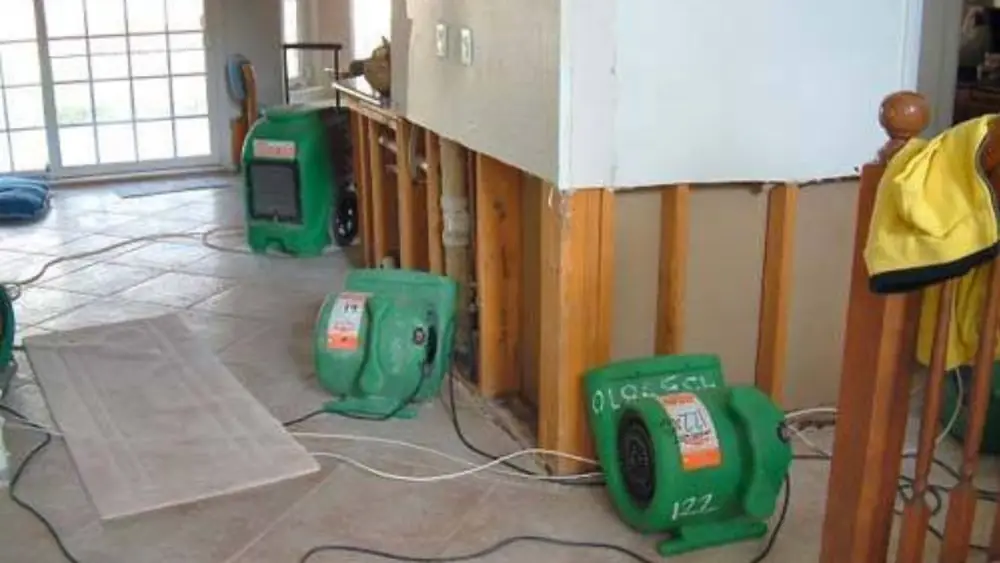
Hardwood is the repair people ask about most after a washer hose or a dishwasher line fails. Boards soak up water along the edges and the sides rise into a cup shape as they dry unevenly. Some floors flatten again after slow, controlled drying, and some need sanding or board replacement once the moisture content is back to normal.
The key is not to refinish too soon. Sanding a floor that still holds moisture traps it, and the cupping returns. A repair plan waits for readings that show the wood is stable.
Repair options and honest trade-offs
| Damage | Repair option | Trade-off |
|---|---|---|
| Small ceiling stain, dry and firm | Prime with stain blocker and repaint | Fastest and cheapest, but only after the source is fixed |
| Soft or sagging ceiling | Cut out and replace drywall and insulation | More work, but removes the problem |
| Cupped hardwood | Dry slowly, then sand or replace boards | Waiting costs time, rushing risks repeat cupping |
| Swollen baseboards and trim | Replace and repaint | Cheap relative to the visual improvement |
| Water-stained subfloor | Dry, check for rot, replace if soft | Hidden damage can raise the scope |
Finish quality and matching
A good repair is invisible. That depends on matching texture, sheen and color across the whole wall or ceiling, not just the patch. Ask the contractor how they plan to match, and expect them to paint corner to corner on visible surfaces.
For floors, ask about transitions. A new section of hardwood can stand out against older boards, and sanding and finishing the whole room may be the cleaner approach.
What to do before repair work begins
- Confirm the moisture readings are dry and ask to see them, since closing a wall over damp framing invites mold
- Do not paint or caulk over a stain that has not been dried and sealed first
- Keep photos of the damage and the finished work together with the estimate and receipts
- Ask whether a permit applies before walls, wiring or plumbing are opened
- Ask about lead-safe practices if the house was built before 1978
What affects the cost of water damage repair
Repair costs follow the size of the area, the materials that have to be replaced, how much finish work such as taping, texture, paint or flooring is needed, and whether the work includes trades such as electricians. Any exact price depends on what is found when the damaged area is opened up.
A written scope with the work and the pricing is explained before it starts. If your insurer is involved, keep photographs from before and after, and keep the written scope with your claim.
Need a rebuild scope? Call (508) 446-9244 and describe the damage.
☎ Call (508) 446-9244Permits and who to ask
Some repairs, such as plumbing, electrical or structural work, can need a permit. The Northborough building department's page says building, plumbing, gas, electrical and HVAC permits are pulled online, so ask the department before work begins instead of assuming either way. Permit rules vary by the type of work, and the town building department answers them.
Where repair fits
Repair follows water mitigation and water damage cleanup. If the damaged area is musty or has dark spots, read about mold remediation first, because rebuilding over mold is a mistake. For flooded basements, see flood damage restoration. Crews also rebuild homes in Berlin and Shrewsbury.
Water Damage Repair Questions
How do I know if water damaged drywall can stay?
Drywall that is firm, flat and dry on a moisture meter can often stay. Drywall that is soft, sagging, stained through or crumbling at the edges is replaced.
Can I paint over a water stain on my ceiling?
Only after the source is fixed and the area is dry. Use a stain-blocking primer first, and if the stain returns, the moisture is still there.
Will my hardwood floor go back to normal after cupping?
Sometimes. Slow drying can let boards flatten, and sanding can finish the job. Floors that are buckled or have been wet for a long time often need boards replaced.
How soon can repairs start after a leak?
When the moisture readings show the structure is dry. That is usually a matter of days, and starting earlier risks trapping moisture.
Ready to plan the rebuild? Call dispatch and describe the damage.
☎ Call (508) 446-9244