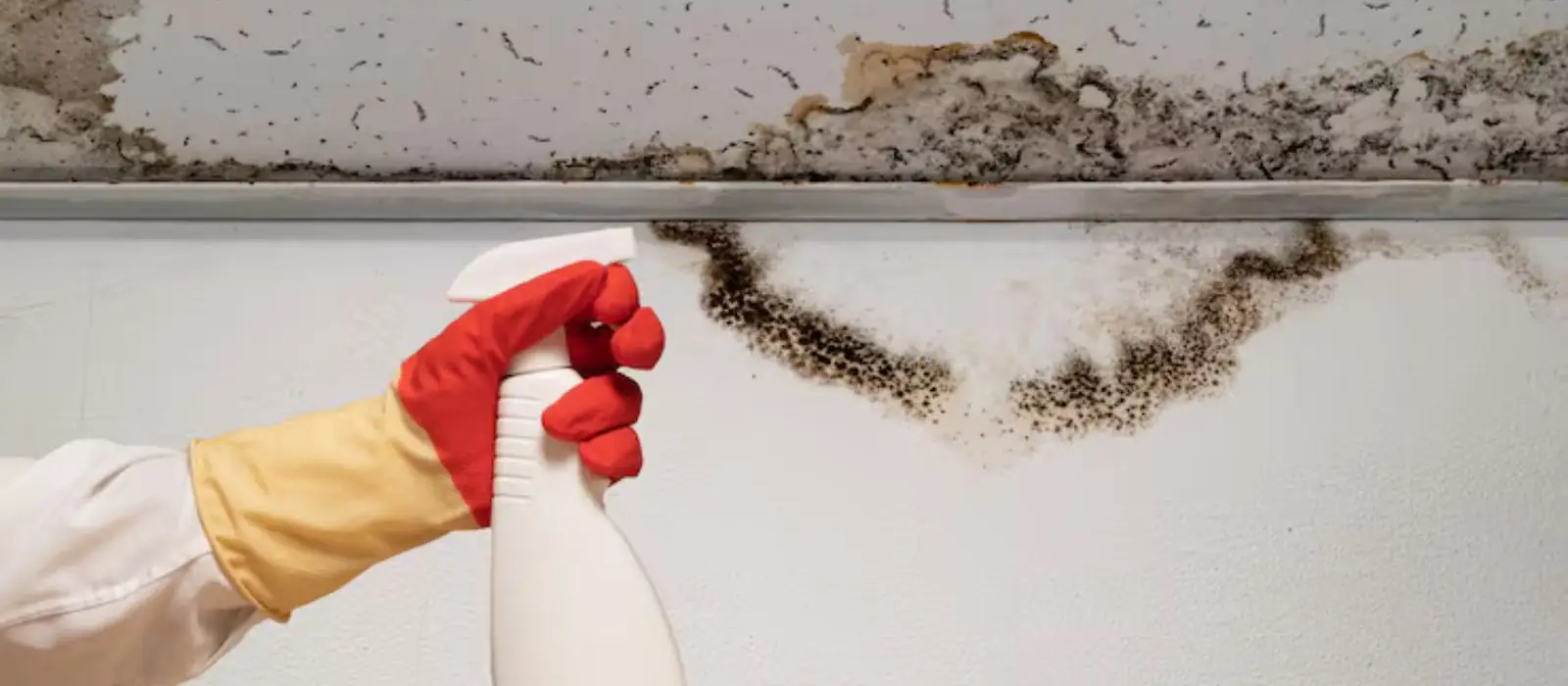
Dark spots on a bathroom ceiling are the most common mold complaint there is. Steam, poor ventilation and cold surfaces create the moisture, and a roof or plumbing leak above can add to it. In Northborough, MA, where the winter outside is cold, a bathroom ceiling under a poorly insulated roof is an ideal place for condensation.
"Black mold" is a name people use for any dark growth. You cannot tell the type by color, and the response is the same: fix the moisture, then clean or remove the material.
Why bathroom ceilings grow mold
| Cause | How to tell | First fix |
|---|---|---|
| No or weak exhaust fan | Mirror stays fogged long after the shower | Install or upgrade the fan, vent outdoors |
| Fan vented into the attic | Damp insulation or frost in the attic | Vent through the roof or wall |
| Cold exterior wall or ceiling | Spots at corners and edges | Add insulation, keep the room warm |
| Roof leak above | Stain grows after rain | Roofer repairs, then dry the ceiling |
| Plumbing leak above | Stain grows after use of fixtures above | Plumber repairs, then dry |
What you can handle yourself
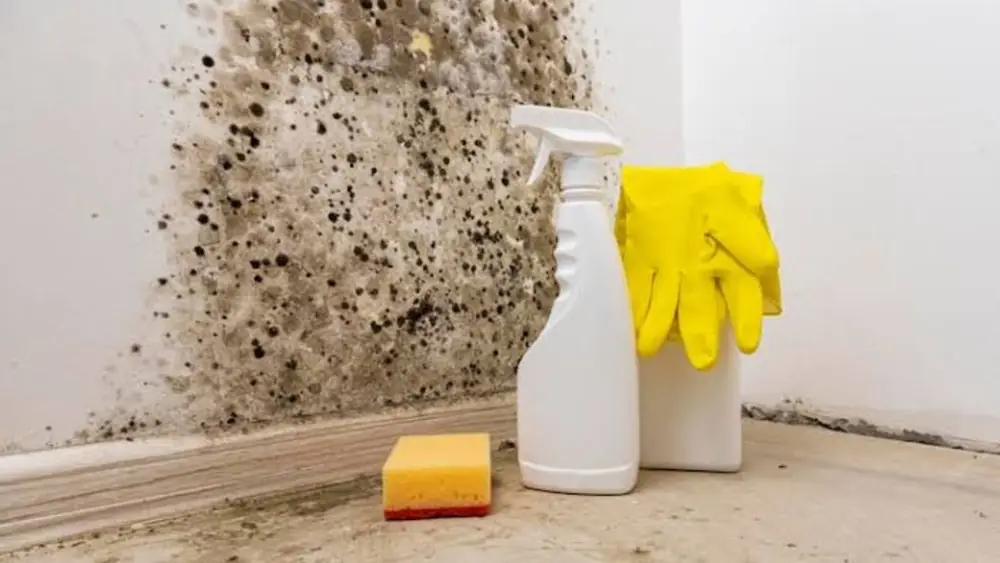
The EPA says that mold areas smaller than about 10 square feet can usually be handled by the homeowner and that hard surfaces can be scrubbed with detergent and water and dried completely. For a small spot on a firm, painted ceiling that is dry, that is a reasonable first step.
Wear an N95 respirator, gloves and goggles. Do not dry-scrub, and do not mix cleaners. Fix the cause first or the spot will return in weeks.
When the ceiling has to come out
If the drywall is soft, stained through, sagging or the growth is larger than a few square feet, cleaning will not solve it. Drywall is porous, and mold grows into it. The affected section is cut out, the framing and insulation above are checked, and new drywall is installed after drying.
A professional contains the room with plastic and negative air so spores do not spread. See mold remediation for how the process works.
Health questions
Whether mold affects your health is a question for a physician. A remediation company can fix the moisture and remove the material, but it should not diagnose, and you should be wary of anyone who does.
Keeping it from coming back
Run the exhaust fan during every shower and for a while afterward, and check that it vents outdoors. Aim for indoor humidity under the EPA's ceiling of about 60 percent. Wipe wet surfaces and fix leaks quickly. If the problem was a roof or pipe, water damage repair rebuilds the ceiling after the cause is fixed.
Fans, ducts and getting the steam out
Exhaust fans are rated by airflow, and a fan that is too small or poorly vented does little. Ask an electrician or installer to size the fan for the room. The duct should run to the outdoors through a roof or wall cap, not into the attic, and it should be short and insulated in a cold space.
Check the fan the simple way. Hold a square of tissue paper against the grille while the fan runs. If it does not hold, the fan is weak or the duct is blocked. A fan that runs for twenty minutes after a shower clears most of the steam.
What replacing a bathroom ceiling involves
- 1
Contain the room
Plastic sheeting and tape seal the doorway and the vents.
- 2
Remove affected drywall
The ceiling section is cut out and bagged, and insulation above is checked.
- 3
Clean and dry the framing
Joists are cleaned and dried to normal readings.
- 4
Fix the cause
Ventilation, insulation or a leak is repaired.
- 5
Install and finish
Moisture-resistant board, primer and mildew-resistant paint go on.
Mildew-resistant paint helps, but it is not a fix on its own. It works best on a ceiling that is dry, ventilated and sealed against leaks.
What it costs to ignore it
A bathroom ceiling spot that is cleaned and ignored comes back, and each return costs more to fix as the drywall softens. The cheapest time to act is when the spot is small and the board is firm, and the cause is a fan or a gap in insulation.
If the spot is on a ceiling below another bathroom, a leak is more likely than steam, and a plumber should check the fixtures above before anyone repaints.
Northborough note: why winter makes it worse
Northborough's winters mean an exterior wall or an uninsulated ceiling stays cold while the bathroom fills with warm steam. The steam condenses on the cold surface, and the same corner stays damp every day.
If your bathroom is at the end of a roofline or under a dormer, check insulation and ventilation before you repaint. Neighbors in Southborough and Marlborough see the same pattern in older houses.
Questions Northborough Homeowners Ask
My Northborough bathroom is on an exterior wall under the roof. Why does mold keep returning there?
Warm, wet air condenses on cold surfaces. An exterior wall or an uninsulated ceiling stays cold in winter, so the same spot stays damp. Better insulation and a fan that vents outdoors usually fix it.
Can I use bleach on a bathroom ceiling?
The EPA recommends detergent and water for hard surfaces. Bleach does not fix a moisture problem and is dangerous when mixed with other cleaners.
Do I need testing before cleanup?
The EPA says that in most cases, if visible mold growth is present, sampling is unnecessary. Testing may help to check that an area was cleaned adequately.
How do I know if the drywall can be saved?
If it is firm, dry on a meter and the growth is limited to the paint surface, cleaning may work. Soft or stained-through drywall is replaced.
Seeing dark spots? Call and book an inspection.
☎ Call (508) 446-9244