
Whether house insurance covers water damage depends on the cause. In general, sudden and accidental events, such as a burst pipe or a failed appliance line, are often covered. Slow leaks, neglected maintenance and flood usually are not. For Northborough, MA homeowners, the details live in your own policy, so read it with the cause of your loss in mind.
Nothing here promises coverage. It explains the common patterns and the steps that protect a claim.
Events that are often covered
| Event | Often covered? | Notes |
|---|---|---|
| Burst pipe | Often, if the home was heated and occupied | Massachusetts Division of Insurance guidance |
| Appliance line failure | Often | Sudden and accidental |
| Roof leak from storm damage | Often | Wear and tear is excluded |
| Ice dam | May be covered if sudden and not caused by neglect | Division of Insurance guidance |
| Slow leak over months | Often excluded | Treated as maintenance |
| Flood | Not covered by home policies | Separate flood insurance |
| Sewer or drain backup | Depends on endorsement | Ask your insurer |
What Massachusetts guidance says
On burst pipes, the Division of Insurance says most homeowners policies respond to sudden and accidental damage only if the house was properly heated and not left unoccupied. On flood, it says home policies do not cover it and must carry a notice saying so, while the National Flood Insurance Program sells the coverage.
Reading those statements together, a house left cold for a week in winter is the riskiest case. A finished basement flooded by storm runoff is the second riskiest.
The first steps of a claim
- 1
Stop the water
Take reasonable steps to limit the damage. Insurers expect it, and damage caused by delay may not be covered.
- 2
Document everything
Photograph the source, the water and every damaged item before moving it. Keep damaged items until the insurer says otherwise.
- 3
Call your insurer or agent
Report the loss and ask what they need and what temporary repairs are expected.
- 4
Get a written scope
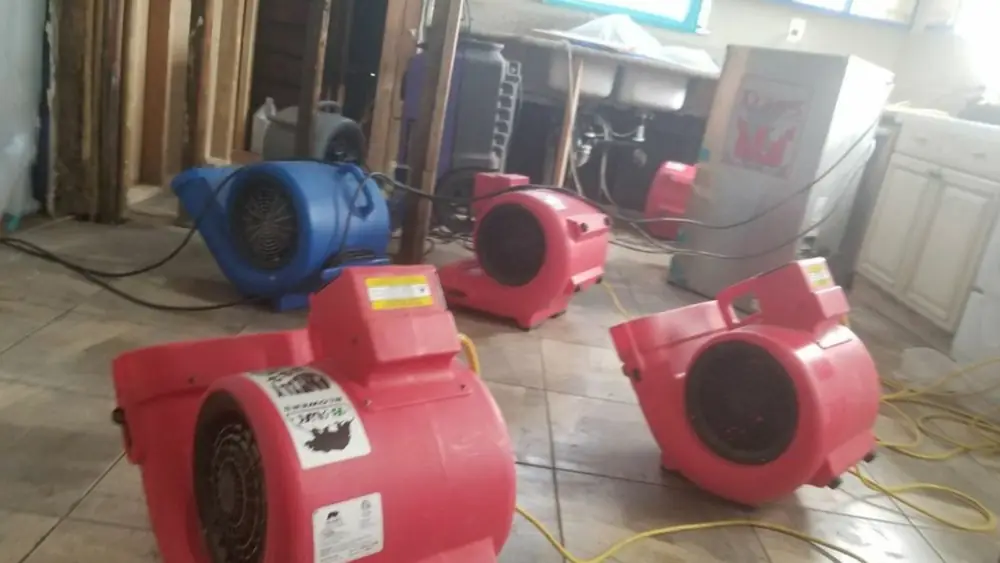
A restoration company can supply scope, photos and moisture logs.
- 5
Keep receipts
Emergency costs, such as extraction or board-up, are usually part of the claim.
Choosing the restoration company
You can generally choose your own restoration company, and any arrangement a company says it has with your insurer should be explained to you in writing. What we provide is documentation: photographs, moisture readings and a scope of work, as described on our water mitigation page.
For repair after drying, see water damage repair. Homes in Shrewsbury and Southborough are in the same state, so the same Division of Insurance guidance applies.
Mold and deductibles
Many policies limit or exclude mold, and mold from a long-term leak is rarely covered. Deductibles apply per claim, and a small loss may cost less than the deductible. Ask your insurer before you decide whether to file.
Mistakes that complicate a claim
- Waiting days to report the loss or to stop the water
- Throwing out damaged materials before photographing them
- Letting a contractor start demolition without a written scope
- Assuming flood or sewer backup is covered without reading the policy
- Giving a recorded statement without knowing what the policy says
- Signing a direction to pay without understanding what it means
Most of these are avoidable with one phone call to the insurer or agent at the start. Ask what the policy covers, what the deductible is and what the insurer expects you to do next.
Deductibles and whether to file
Every claim has a deductible, and a small loss can be smaller than the deductible. Some homeowners also worry about how a claim affects their renewal. Those are fair questions for your agent, and the answers vary by company.
What matters on our side is documentation. Even if you decide not to file, photographs, moisture readings and a written scope protect you if the problem returns or if a buyer asks about past water damage when you sell.
Keeping your own records ready
Keep a folder, paper or digital, with your policy, the declarations page, photographs of the house in good condition and receipts for major systems such as the roof, water heater and plumbing repairs. If a loss happens, those records show the condition of the house before the damage.
Update your home inventory once a year, and take a short walk-through video of each room. It takes ten minutes and saves hours later.
Northborough note: heat, vacancy and winter
Northborough homes face real winter. If you are traveling in January, keep the heat on, ask a neighbor to check the house and tell your insurer about long absences. The Massachusetts Division of Insurance also suggests opening cabinet doors under sinks during cold snaps and shutting off exterior hose faucets.
Document the condition of the house before you leave, since photographs of a dry, heated house are useful if you ever need to file.
Questions Northborough Homeowners Ask
What flood coverage can a Northborough homeowner buy?
Flood coverage comes through the National Flood Insurance Program, either as an endorsement on your policy or as a standalone policy. Ask your agent which fits your property.
Will insurance pay if I left the house cold and a pipe froze?
Possibly not. State guidance ties coverage to a house that was kept heated and occupied, so read your policy and call your agent.
Should I file a claim for a small loss?
Compare the estimated cost with your deductible and ask your insurer how a claim might affect your policy. That is a decision for you and your agent.
Does the restoration company talk to my insurer?
We provide photos, moisture logs and a written scope. You remain the one who files and manages the claim with your insurer.
Water damage and a claim to make? Call for documentation.
☎ Call (508) 446-9244