The signs of water damage are easy to dismiss one at a time. A faint stain, a slightly musty room or a floor that feels soft near the tub could each be nothing. Together they usually mean water is moving somewhere it should not. In Northborough, MA, where winters are hard on pipes and roofs, it pays to look early.
This checklist goes room by room. If you find two or more signs in one area, treat it as a leak until proven otherwise.
Signs you can see
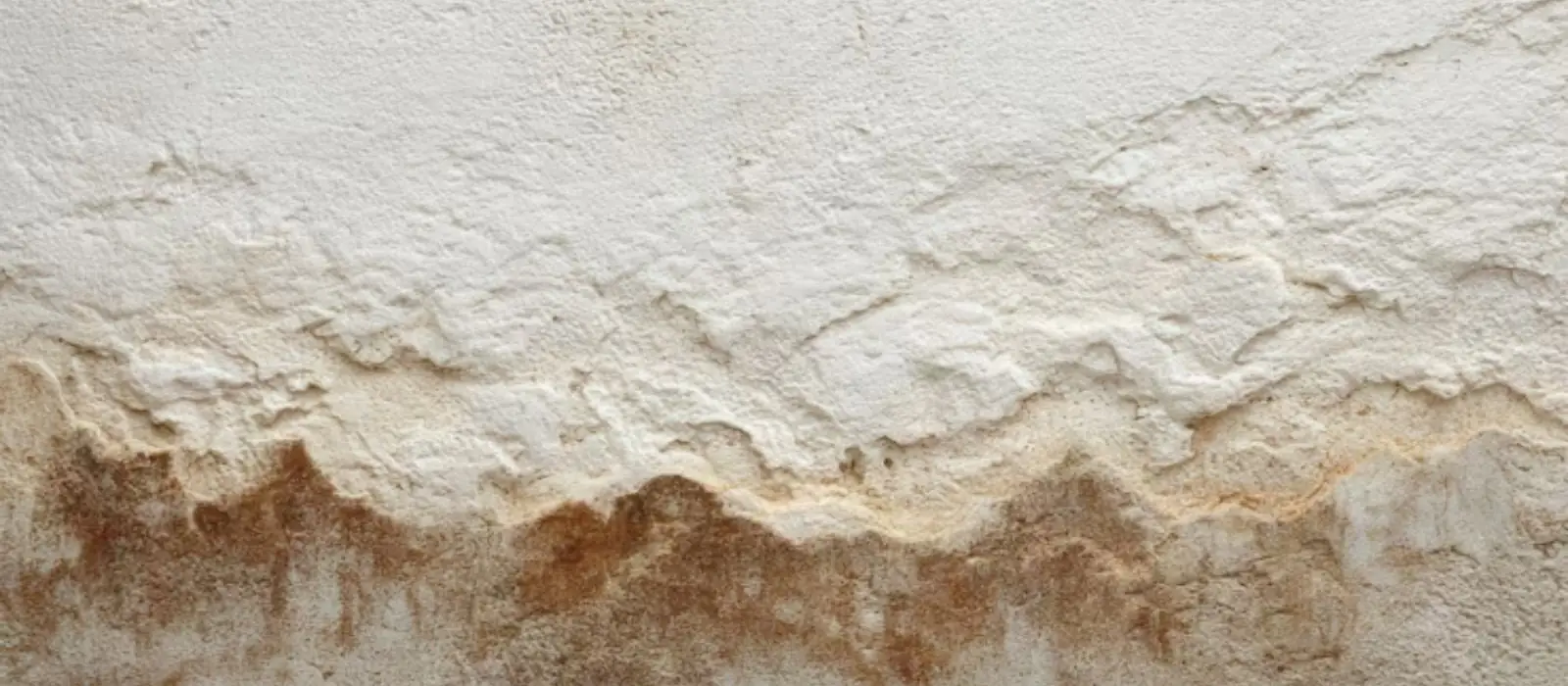
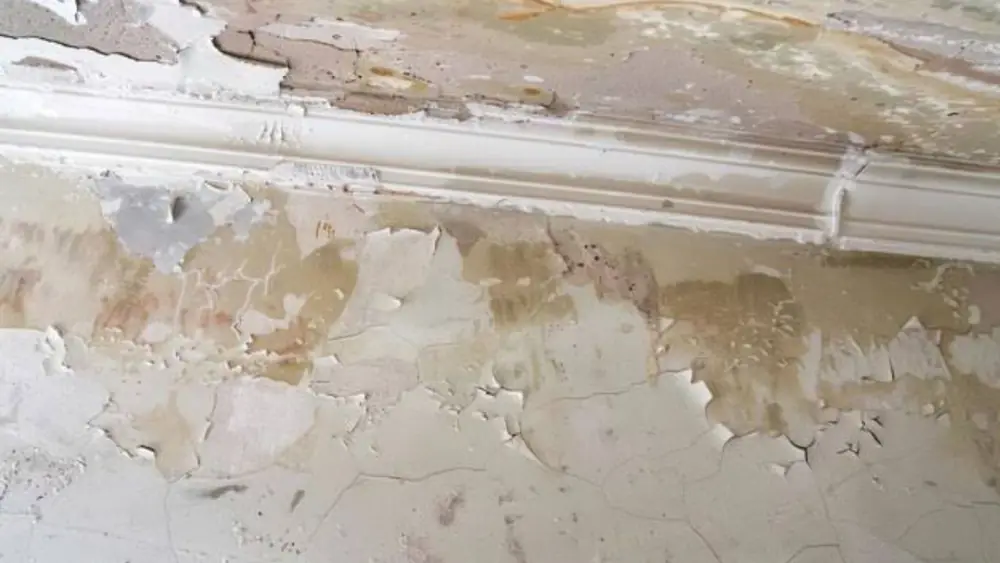
Yellow or brown stains on ceilings and walls, peeling or bubbling paint, warped baseboards, cupped or buckled floors and drywall that feels soft are the common visual signs. Rust around pipes, white mineral crust and dark spots in corners point to ongoing moisture.
Stains with a darker outer ring often mean repeated wetting. A stain that grows after rain suggests the roof or a window. A stain that grows after a shower suggests plumbing.
Signs you can smell and hear
A musty or earthy smell, especially in a closed room or a basement, means damp materials. Dripping behind walls, a hissing sound when everything is off or a toilet that runs by itself can all mean a supply leak.
Smell fades as you get used to it. Ask someone who does not live there if the room smells damp. See our related guide on what mold smells like if the odor is stronger than musty.
Signs hiding in your bills and your meter
A water bill that rises with no change in habits is one of the most reliable signs of a hidden leak. A simple test is to turn off every fixture and appliance, then check whether the meter still moves. If it does, water is going somewhere.
| Room | What to check | Sign of trouble |
|---|---|---|
| Bathroom | Ceiling below, tile grout, base of the toilet | Soft floor, loose tile, stains below |
| Kitchen | Under the sink, dishwasher and fridge lines | Warped cabinet base, damp floor |
| Basement | Walls, floor, sump pit, water heater | White crust, musty smell, standing water |
| Laundry | Washer hoses, drain, floor | Bubbling floor, damp drywall |
| Attic | Roof deck, insulation, bathroom vent | Dark roof boards, wet insulation |
| Exterior | Gutters, downspouts, grading | Pooling near foundation |
Hidden water and moisture meters
Surfaces can look dry while walls stay wet. A moisture meter checks readings through paint and drywall, and a thermal camera shows cool, wet patches. These tools find the extent of the problem before anything is opened.
If you find moisture, the next step is water mitigation to dry the structure, followed by water damage cleanup for what cannot be saved.
When to call right away
Call at once if water is running, if a ceiling is sagging, if a stain is near electrical fixtures, if sewage is involved or if the musty smell appears with a visible leak. For anything else, a short inspection is better than waiting.
Signs in the structure itself
Water leaves marks on the frame of a house. Doors and windows that stick in humid months, trim that has pulled away at the corners, cracked or loose floor tile and a floor that feels spongy underfoot are all signs of moisture in the framing or the subfloor.
Rust on nail heads, fasteners and metal brackets points to long-term moisture. Efflorescence, the white crust on concrete or brick, shows that water is moving through the masonry and leaving salts behind.
Signs outside the house
Many indoor water problems start outdoors. Gutters that overflow at the corners, downspouts that dump water against the foundation, soil that slopes toward the house and roof shingles that are curling or missing are all common causes.
After a heavy rain, walk the perimeter. Look for puddles near the foundation, wet streaks on siding and ice or icicles at the roof edge in winter. Those patterns often explain a stain you find inside a week later.
If you find signs inside and outside, treat them as one problem. Fix the exterior cause, then dry the interior, because drying without fixing the source only delays the next stain.
What to do once you find a sign
Photograph it, write down the date and mark the edge of any stain with a pencil so you can see if it grows. Check the fixtures above and around it, and check the meter if you suspect a supply leak.
If the sign is a soft floor, a bulging ceiling or a stain near wiring, call right away. For a faint stain or a smell, book an inspection within a day or two, since slow leaks cause more total damage over weeks than sudden ones do in hours.
Northborough note: reading your water bill
The Northborough Water Division's page lists water and sewer billing information, and the town distributes water it receives from the MWRA. A jump in your bill is worth a meter check before you assume it is the season.
If the meter runs with everything off, the leak is on your side of the system. Houses in Berlin and Westborough have their own town billing and utilities, so ask your own town's office.
Questions Northborough Homeowners Ask
Can a high water bill in Northborough mean a hidden leak?
Yes. If your usage rises with no change in habits, turn everything off and see whether the meter still moves. The Northborough Water Division lists billing information on its page, and its office can answer questions about your account.
How can I tell old water damage from active leaks?
A moisture meter does. A stain can stay long after the leak stops. Active moisture shows up as readings above normal in the surrounding material.
Is a musty smell always a sign of mold?
It is a sign of dampness, which is what mold needs. The smell alone does not confirm mold, but it is a reason to look for the moisture.
Which sign is the most urgent?
A sagging ceiling, water near electrical fixtures, sewage and active flooding are emergencies. The rest are urgent but not immediate.
Not sure if it is water damage? Call and describe what you see.
☎ Call (508) 446-9244