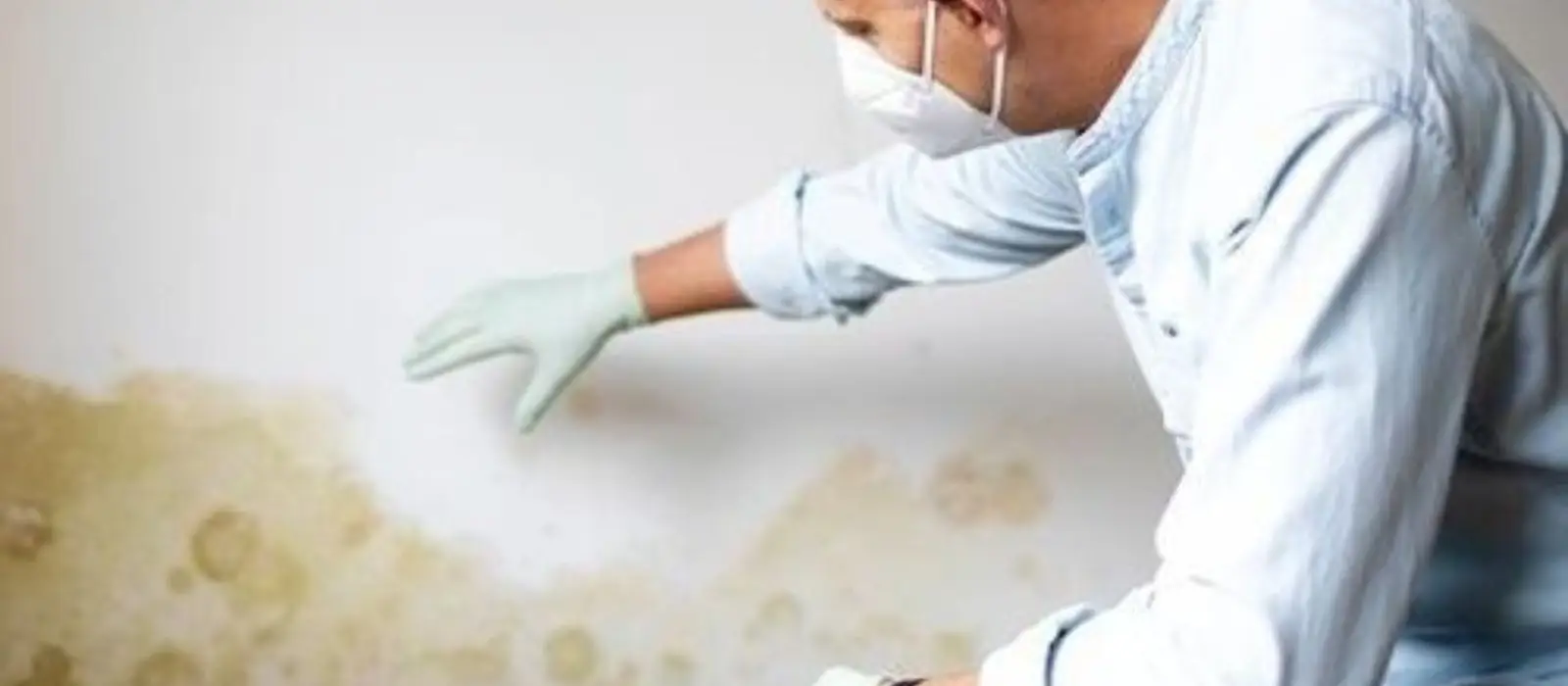
A water-damaged wall can look worse or better than it is. Peeling paint and a stain may sit on a dry wall, while a smooth, clean surface may hide a wet cavity. Water damage wall repair in Northborough, MA follows a strict order: stop the source, measure, dry, open, repair and finish.
Skipping a step is the usual reason repairs fail.
Stage by stage
| Stage | What you see | Action |
|---|---|---|
| Early | Faint stain, paint blistering, no softness | Find source, dry, prime and paint |
| Moderate | Swollen baseboards, soft drywall edges | Open the wall, dry cavity, replace damaged sheetrock |
| Severe | Sagging, crumbling, mold, wet insulation | Remove to dry framing, replace insulation and drywall |
| Contaminated | Sewage or flood source | Remove, disinfect, rebuild, see water damage cleanup |
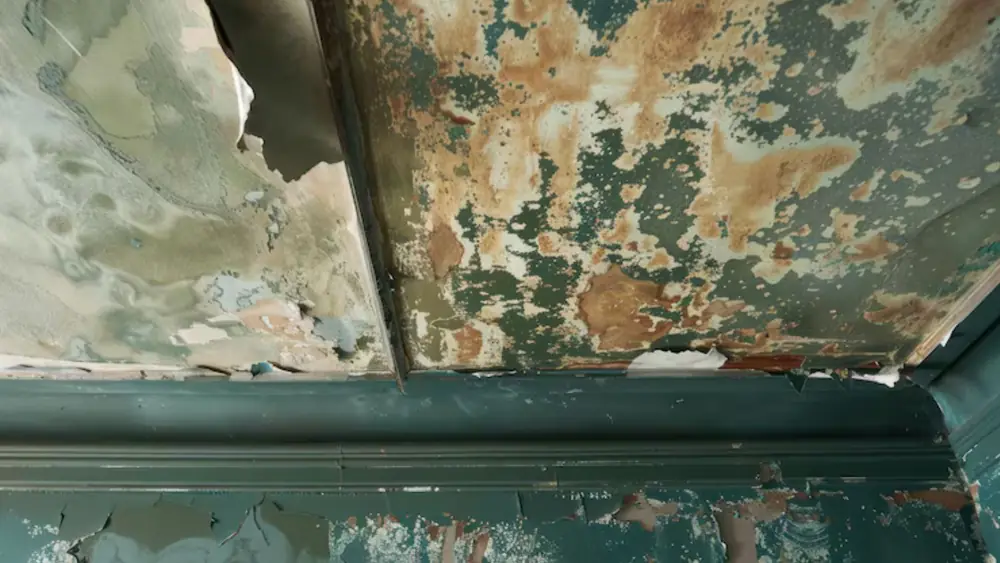
The repair order
- 1
Stop and fix the source
A plumber or roofer fixes the leak, since no repair holds against a wet wall.
- 2
Measure moisture
A meter finds the extent of the wet area, including the cavity.
- 3
Open and dry
Baseboards come off and holes are cut so air movers can dry the cavity, which is covered under water mitigation.
- 4
Remove what is beyond saving
Wet insulation and soft drywall are cut out to dry framing.
- 5
Rebuild
Insulation, sheetrock, tape, compound, primer and paint go in over verified dry framing.
Outlets, wiring and switches in a wet wall
Wet outlets and wiring are a safety issue. Turn off power at the breaker if you can reach the panel from dry footing, and do not touch wet switches. After drying, an electrician should inspect any outlet that was wet before it is used again.
Electrical work often needs a permit and inspection, so ask the building department before your electrician starts.
Paint, trim and finishing
A patch shows if the paint is not matched. Many crews repaint the whole wall, from corner to corner, to hide the seam. Baseboards that swelled are replaced because they rarely return to shape.
See water damage repair for how finishing is scoped, and plan for a stain-blocking primer if the old stain was deep.
When a wall should not be repaired yet
If the framing is still damp, or the source has not been confirmed fixed, wait. Sealing a wall over moisture is how mold begins, and the EPA's 24 to 48 hour drying window is the practical limit. If you see mold, read about mold remediation first.
Insulation and how each type handles water
| Type | Behavior when wet | Usual decision |
|---|---|---|
| Fiberglass batts | Mats down and holds water against framing | Removed and replaced when saturated |
| Cellulose | Absorbs water, settles, can sour | Usually removed |
| Closed-cell spray foam | Resists water absorption | Often left, framing dried around it |
| Rigid foam board | Resists water but traps moisture behind it | Check behind it before reuse |
Insulation that stays wet loses most of its value and keeps the framing damp. Replacing it during repair is cheaper than discovering rot later.
Plaster and exterior walls
Older houses may have plaster on wood lath, which dries slowly and cracks as it dries. Plaster repair is a different trade from drywall, and the crew should be honest about whether they do it. Plaster in good condition can often be dried and patched, while plaster that has come away from the lath needs to be removed.
Exterior walls add another layer, since siding, sheathing and flashing all shed water. A stain on an interior wall under a window may come from failed flashing or sealant outside. Fixing the stain without fixing the window is a repair that does not last.
Baseboards, doors and cabinets at the wall
Wall damage rarely stays on the wall. Baseboards swell, door casings pull away and cabinets that touch the wall wick moisture into their backs and bases. Check these when you measure the damage, because they affect the scope and the finish work.
Cabinets that are particleboard swell and cannot be dried back to shape. Solid wood and plywood cabinets have better odds. The crew should photograph the condition before and after drying so you can discuss it with your insurer.
Questions to ask before the wall is closed
- What are the moisture readings in the framing, and what is the dry reference?
- Was the wet insulation removed or dried, and why?
- Has any wiring or plumbing in the wall been inspected?
- Is the source confirmed fixed, and by whom?
- Are photographs of the open wall available for my records?
A confident contractor can answer every one of these in a sentence. If the answers are vague, ask again before the wall is closed.
Northborough note: electrical permits
Electrical permits in Northborough are pulled through the town's online center, but inspections are scheduled by phone or text rather than through the portal. The department also posts an advisory about electrical work done without permits, which is a good reason to ask before an electrician touches a wall that was wet.
Walls in Marlborough or Shrewsbury follow those cities' own rules.
Questions Northborough Homeowners Ask
Do electrical repairs in a wet wall need a permit in Northborough?
Often. Ask the department before the electrician starts, since the scope of the work decides.
Can I leave wet insulation in the wall?
No. Saturated insulation holds water against the framing for weeks. It is removed and replaced.
How long does a wall take to dry?
Several days is common for a wall cavity, and readings decide the end date.
Should I replace baseboards that swelled?
Usually yes. Swollen baseboards rarely return to shape, and replacement is a small part of the cost.
Wet wall in your home? Call and describe it.
☎ Call (508) 446-9244